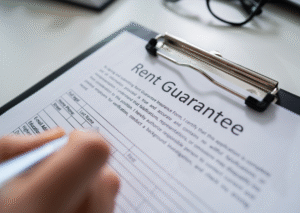
Rental income is one of the biggest reasons investors build portfolios. It is also one of the most common reasons a loan file slows down when the paperwork does not clearly prove the income is real, stable, and usable. That is why seasoning requirements for rental income matter.
Seasoning is not a punishment. It is simply the “proof period” that helps underwriting feel confident that the rent you are counting can be counted. When you understand what seasoning is, what documents support it, and how to time your strategy, you can protect your closings and scale more smoothly.
This guide breaks down how rental income seasoning works, what documents lenders typically look for, and how to plan your financing timeline so your cash flow can count when you need it to.
What Do Seasoning Requirements For Rental Income Mean In Underwriting?
Seasoning requirements for rental income are the rules that determine when rental income can be used to help you qualify and what proof underwriting needs to accept it. Underwriting is usually trying to confirm three simple things:
The rent is tied to a real tenant and a real lease.
The rent is actually being collected, not just “expected.”
The rent amount is realistic for the property and the market.
In practice, seasoning often means you may need more than a signed lease. You may also need proof the lease is active and proof that rent has been deposited. The exact expectations can shift based on the property type, the loan type, and whether the income is long-term rental income or short-term rental income.
When you treat seasoning like part of your deal timeline, you reduce surprises and put yourself in a better position to choose the right financing path.
When Can A Lease Count Versus When Does Proof Of Deposits Matter More?
A lease explains the agreement. Deposits prove the performance.
Many investors assume a signed lease is the finish line. Underwriting often sees it as the starting line. A lease can support projected rental income, but proof of deposits shows the rent is actually being received. If the rent is brand new, underwriting tends to look harder at the paper trail because there is less history to rely on.
A simple way to think about it:
A lease tells underwriting what should happen.
Rent deposits show what is happening.
A longer record of deposits can support stability when the deal relies on that income.
This is especially important when rental income is a key part of approval and you are trying to qualify faster. A clean deposit trail makes the file easier to verify, and the smoother the verification, the fewer back-and-forth conditions you deal with.
How Is Qualifying Rental Income Calculated For Investor Loans?
Qualifying rental income is not always equal to the rent number on the lease. Underwriting generally wants a conservative, realistic income picture. That usually means the rent can be adjusted for factors like vacancy expectations and whether the rent looks consistent with what the property could reasonably earn.
If the rent is high compared to typical market expectations, you may be asked for stronger support. If the property has multiple units, underwriting may want a rent roll or a clean unit-by-unit breakdown. If the property is newly leased, underwriting may want a short but clear track record that deposits match the lease terms.
This is also why DSCR loans are often used by investors who want the property cash flow to drive qualification. DSCR loans are typically built around the property’s income supporting the payment. Still, DSCR-focused underwriting benefits from clean documentation and a rental income story that is easy to verify.
What Documents Should You Prepare To Prove Rental Income?
- Executed lease agreement that clearly shows tenant name, property address, rent amount, and lease dates
- Proof of rent receipt, such as bank deposits that match the lease terms, especially when the lease is new
- Rent roll for multi-unit properties to show income by unit and confirm occupancy
- Basic operating picture that helps explain recurring costs and vacancy expectations
- Clear organization by property, so underwriting can verify the story without confusion
How Do Different Rental Scenarios Affect Seasoning Requirements?
Seasoning requirements for rental income can feel inconsistent because the expectations change based on the scenario. The fastest way to get clarity is to identify which situation you are in and build your documentation around that.
If the lease is brand new, underwriting may want proof the tenant has actually started paying. Your goal is to show the rent is not just theoretical. That means your deposits should be easy to match to the lease.
If the property has been rented for a while, underwriting may look for a stronger “track record” story. Even if you do not provide a full history in every file, your documentation should still show consistency and stability. The more stable the story looks, the fewer conditions you usually see.
If you are converting a property into a rental, the first lease period is often the most sensitive. Underwriting may scrutinize timing, rent realism, and whether deposits are clean and consistent with the lease.
If you are using short-term rental income, seasoning can become more document-heavy. Short-term income often requires a stronger packet because income is variable, platform-based, and seasonal. A simple way to reduce friction is to build an STR cash flow packet that clearly ties earnings reports to bank deposits, explains seasonality, and shows an honest gross-to-net picture.
How Do DSCR Loans And Buy And Hold Mortgages Handle Rental Income Differently?
Different loan types focus on different risk questions, and that affects how rental income is reviewed.
DSCR loans usually focus on whether the property income supports the payment. That can be helpful when your personal income documentation is not the main story and you want the asset to carry more of the qualification weight. Still, clean rental documentation matters because underwriting needs to confirm the income feeding the cash flow calculation is real.
Buy and hold mortgages often lean more on a full borrower profile picture. That can include how rental income is documented and how predictable it appears. When rental income is key to qualifying, seasoning can be the difference between an easy approval and a slow approval.
Cash out refinance can add another layer. You are not only asking to qualify, you are asking to access equity. Underwriting may look harder at whether rental income supports the new payment and whether the property’s income story is stable enough to support the refinance plan.
The right move is not to guess which loan is easiest. The right move is to match the loan type to your income stage and documentation strength. That is exactly why real estate financing solutions should be approached as a strategy decision, not a one-product decision.
How Can Investors Time BRRRR Financing, Cash Out Refinance, And New Construction Loans Around Seasoning?
Timing is where most investor frustration happens, especially with BRRRR and refinance strategies. BRRRR financing is built on speed, but underwriting still needs documentation to confirm rental stability before a refinance step makes sense.
If you are doing BRRRR financing, you want to plan your timeline around when you can clearly prove rent is being received. A simple planning mindset is:
Finish the rehab.
Lease the property.
Collect rent and keep deposits clean.
Refinance when the rental story is stable and easy to verify.
Cash out refinance is often used to recycle capital and keep scaling. That works best when the rental income story is already clean and your file reads like a stable, repeatable process.
New construction loans can bring a different timing challenge. If the exit plan is to rent the completed property, underwriting may want a clear plan for leasing, expected rent support, and a realistic stabilization path. That is where planning ahead matters, not only for the build, but for the rental documentation you will need once the home is complete.
This is also where investors benefit from thinking beyond the property alone. Strong reserves, strong financial organization, and a clear growth plan can help your file look more stable. That is why business credit facilities, credit & debt advisory, and growth & development services can support the bigger underwriting picture while you scale.
What Are The Most Practical Steps To Become Underwriting-Ready And Close Faster?
- Keep a separate “property folder” for each rental so leases, deposits, and notes do not mix across properties
- Make deposits easy to trace by avoiding confusing payment methods and keeping rent deposits consistent
- Build a simple one-page snapshot for each rental: rent amount, lease start date, and where deposits appear
- If you use short-term rental income, build a clean cash flow packet that ties earnings reports to bank deposits and explains seasonality in plain language
- Match your financing tool to your strategy stage: fix & flip loans for reposition and resale, buy & hold mortgages for long-term rentals, BRRRR financing for repeatable scaling, cash out refinance for equity recycling, DSCR loans for property cash flow qualification, and new construction loans for build strategies
- Strengthen your overall position with business credit facilities, credit & debt advisory, and growth & development services so your file shows stability, capacity, and a clear plan
If you want a financing plan that matches your rental income timeline and helps you submit an approval-ready file without unnecessary delays, get started at No Limit Investments.
Final Thoughts
Seasoning requirements for rental income are easiest to handle when you plan for them early. When your lease, deposits, and cash flow story are clean, underwriting becomes less stressful and your financing options expand. Treat documentation like part of the investment strategy, choose the right loan tool for the stage you are in, and you will be in a stronger position to scale with confidence.
Works Cited
“DSCR Loan Requirements: Qualify Using Property Cash Flow.” No Limit Investments, https://nolimitinvestments.net/dscr-loan-requirements-property-cash-flow-qualification/. Accessed 4 Mar. 2026.
“Investment Property Loan Requirements for Investors.” No Limit Investments, https://nolimitinvestments.net/investment-property-loan-requirements-investors/. Accessed 4 Mar. 2026.
“Real Estate Financing Solutions.” No Limit Investments, https://nolimitinvestments.net/real-estate-financing-solutions/. Accessed 4 Mar. 2026.
“Services.” No Limit Investments, https://nolimitinvestments.net/services/. Accessed 4 Mar. 2026.
“Short-Term Rental Income Documentation.” No Limit Investments, https://nolimitinvestments.net/short-term-rental-income-documentation/. Accessed 4 Mar. 2026.
Frequently Asked Questions:
What are seasoning requirements for rental income?
Seasoning requirements for rental income are the underwriting rules that decide when rental income can be used to help you qualify and what proof is needed to show the income is real, stable, and collectible.
How many months of rent do I need before rental income can count?
It depends on the loan type and your specific scenario. Some situations may accept a current lease plus proof that rent is being received, while others may require a longer track record. The safest approach is to plan for a clear deposit history before you apply.
Can I use a signed lease to qualify if the tenant just moved in?
A signed lease helps, but underwriting often wants proof the lease is active and that rent has actually been paid. Clean, traceable deposits that match the lease terms can make a big difference.
Do DSCR loans still require rental income seasoning?
DSCR loans focus on property cash flow, but documentation still matters. Underwriting typically still needs a supportable rent figure and a rental story that is easy to verify, especially when the lease is new or the property is newly stabilized.
How can I avoid delays when using BRRRR financing or a cash out refinance?
Start preparing early. Get the lease executed correctly, keep rent deposits consistent and easy to trace, organize documents by property, and time your refinance so your rental income looks stable and verifiable when underwriting reviews your file.