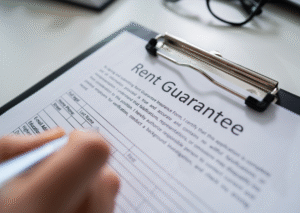
A DSCR loan can feel refreshing because it focuses on the property’s cash flow instead of your personal income. But even when the deal is strong, approvals can slow down when the documentation does not tell a clean story.
That is why the rent roll matters so much. A rent roll is not just a list of rents. It is a unit-by-unit record that underwriting uses to confirm occupancy, lease terms, rent amounts, and whether the income used to qualify is real.
This guide explains rent roll requirements for DSCR loans in clear, everyday language. You will learn what a complete rent roll should include, how it is verified, what supporting documents strengthen your file, and how to package everything so it matches how DSCR underwriting typically works.
What Does A DSCR Loan Measure, And Why Does Cash Flow Matter?
DSCR stands for debt service coverage ratio. It is a way to compare the income a property produces to the property’s debt payments. In simple terms, the lender wants to see that the property’s cash flow can cover the monthly loan payment with a reasonable cushion.
Because DSCR underwriting is cash-flow centered, documentation tends to focus on:
- Rental income that is supported by leases and deposits
- Occupancy that makes sense and can be explained
- Expenses that are reasonable for the property type
- A file where documents match each other without gaps
The rent roll is central because it is the quick “master snapshot” underwriting uses to start validating income.
What Is A Rent Roll, And Why Is It Central To DSCR Underwriting?
A rent roll is a document that lists every unit in the property and the rental details for each unit, including vacant units.
For DSCR loans, underwriting uses the rent roll to answer questions like:
- How many units are occupied versus vacant?
- What is the monthly rent for each unit, and is it supported by a lease?
- Are leases stable, or do many leases expire soon?
- Are there concessions, discounts, or nonpaying occupants that change the real income?
Most DSCR delays happen when the rent roll is incomplete, not dated, or does not match the leases and deposits.
What Information Must A Rent Roll Include To Be Considered Complete?
A “complete” rent roll is one that includes the fields underwriting needs and that can be verified.
Use this checklist when you build or review your rent roll:
- Property and unit identification
- Property address
- Unit number for every unit
- Unit type (example: 1BR, 2BR)
- Vacant units included and clearly marked
- Occupancy and tenant details
- Tenant name or “Vacant”
- Date of first occupancy
- Lease and rent details
- Current contract rent per unit
- Lease term type (month-to-month or fixed term)
- Lease start and end dates when available
- Notes for special situations (example: nonpaying occupant)
- Accuracy confirmation
- Date the rent roll was prepared
- A certification or signature confirming it is accurate
The goal is simple: underwriting should be able to pick up your rent roll and understand the property’s income story without guessing.
How Do Lenders Verify A Rent Roll Using Leases, Deposits, And Ledgers?
A rent roll is only as strong as the evidence behind it. Underwriting typically verifies rent roll numbers by cross-checking them with other documents, especially leases and proof of rent received.
Here is what verification often looks like in real life:
Lease match
- Underwriting checks that rent amounts, tenant names, and lease dates align with executed leases.
- If the lease includes concessions or discounts, the file should explain the effective rent.
Deposit match
- Underwriting checks that deposits in bank statements or rent collection records match the rent roll totals.
- If deposits show inconsistent amounts, underwriting may ask why.
Ledger match
- If you use a property manager, the rent ledger or owner statement should reconcile to the rent roll.
- If you self-manage, a rent collection log can help, as long as it matches deposits.
This “match the rent roll to deposits” theme is consistent with how No Limit Investments frames DSCR readiness, including the idea of packaging leases, rent rolls, and deposit evidence together to avoid delays.
What Additional Documents Support Rental Income Verification For DSCR Loans?
A strong DSCR file does not rely on one document. It relies on documents that agree with each other. Here are the most common supporting documents that make rental income verification smoother.
- Executed leases for occupied units
Leases support the rent amount, lease term, and tenant responsibilities. - Proof of rent received
Bank statements showing rent deposits, rent ledgers, or property management statements help confirm income. - Trailing operating statement for larger rentals
For multi-unit properties, a trailing operating statement is often used to show the relationship between income, expenses, and net operating income. This is sometimes called a “T-12,” meaning a trailing 12-month summary. - Tax reporting and recordkeeping support
Federal tax guidance emphasizes reporting rental activity and keeping records that support rental income and expenses. - Seasoning timeline documentation when income is new
If your leases are recent, you may need to clearly show when occupancy stabilized and when deposits began to match the rent roll. No Limit Investments highlights that seasoning and documentation readiness can affect how quickly you qualify when rental income is newly established.
These documents do not complicate your file. They protect it by making the rent roll believable.
What Common Rent Roll Mistakes Cause DSCR Underwriting Delays?
Most delays are preventable. They usually happen when the rent roll conflicts with other proof or does not include key fields.
Common mistakes include:
Missing vacant units. A rent roll should list all units, including vacant units, to reflect the real occupancy picture.
Rent amounts that do not match leases. If the lease shows a concession but the rent roll shows full rent, underwriting will question the income.
No dates or unclear lease terms. Lease term details help underwriting understand stability and renewal risk.
Unexplained nonpaying occupants. If a unit is occupied with zero rent, the rent roll should explain it.
Deposits that do not reconcile. If bank deposits do not match the rent roll totals, underwriting often asks for clarification or additional months of proof.
Undocumented rent increases. If rents jumped quickly, underwriting may ask for evidence that the new amounts are real and sustainable.
If you fix these before submission, you reduce follow-up questions and speed up the process.
How Can You Build A Rent Roll That Works For Purchases, Refinances, And New Leases?
Your rent roll should fit your deal stage, because underwriting views a purchase differently than a refinance.
For a purchase:
- Start with the seller’s rent roll, but verify it.
- Request leases and rent proof when possible.
- Make sure every unit is listed, including vacancies.
For a refinance:
- Use a rent roll dated close to submission.
- Align it with your leases and deposits during your ownership period.
- If rents increased, document when and why the increases happened.
For newly leased or newly stabilized properties:
- Create a clear timeline showing when leases were signed and when rent deposits began.
- If occupancy is still rising, keep your rent roll updated so underwriting sees progress, not confusion.
- No Limit Investments notes that documentation timelines and seasoning expectations matter for qualifying efficiently.
Your goal is to make underwriting feel confident that the rent roll reflects what the property is actually producing today.
What Simple Steps Can Make Your DSCR Documentation File Underwriting-Ready?
Use these steps as a practical packaging process. When your rent roll, leases, deposits, and operating picture all agree, underwriting has less reason to pause.
- Start with a dated rent roll that lists every unit, including vacant units.
- Match every occupied unit to an executed lease.
- Reconcile rent roll totals to deposits and ledgers.
- If the property is multi-unit, include a trailing operating statement summary to show the income and expense picture supporting DSCR.
- Keep a short explanation page for anything unusual, such as concessions, vacancies, or recent rent changes.
- Submit documents in one clean package so the story reads clearly from top to bottom.
This is the same practical theme No Limit Investments promotes across its investor financing education: strategy-first, documentation-ready, and designed to reduce underwriting friction.
If you want your DSCR documentation reviewed in a strategy-first way, start here: No Limit Investments. You can get guidance on rent roll requirements for DSCR loans, how to reconcile rent rolls to deposits, and how to package rental income verification so your file is cleaner, faster, and easier for underwriting to approve.
Final Thoughts
DSCR loans can be a powerful tool for investors, but documentation still determines how smooth the process feels. A complete rent roll that matches leases, deposits, and ledgers is one of the strongest signals you can provide. When you also support the rent roll with clear rental income proof and, when relevant, a trailing operating statement, you reduce uncertainty and avoid preventable delays. Use the steps in this guide to build a file that tells one consistent story, because consistency is what moves underwriting forward.
Works Cited
Federal Deposit Insurance Corporation. Frequently Asked Questions for Financial Institutions Affected by the Coronavirus Disease 2019 (Referred to as COVID-19) – May 27, 2020. FDIC, https://www.fdic.gov/coronavirus/faq-fi.pdf.
Federal Deposit Insurance Corporation. Policy Statement on Prudent Commercial Real Estate Loan Accommodations and Workouts. FIL-34-2023, 26 June 2023, https://www.fdic.gov/news/financial-institution-letters/2023/fil23034a.pdf.
Internal Revenue Service. “About Schedule E (Form 1040), Supplemental Income and Loss.” IRS, https://www.irs.gov/forms-pubs/about-schedule-e-form-1040.
Internal Revenue Service. “Tips on Rental Real Estate Income, Deductions and Recordkeeping.” IRS, https://www.irs.gov/businesses/small-businesses-self-employed/tips-on-rental-real-estate-income-deductions-and-recordkeeping.
No Limit Investments. “Bridge-to-DSCR Refinance Strategy Guide.” No Limit Investments, https://nolimitinvestments.net/bridge-to-dscr-refinance-strategy/.
No Limit Investments. “Investment Property Loan Requirements for Investors.” No Limit Investments, https://nolimitinvestments.net/investment-property-loan-requirements-investors/.
No Limit Investments. “Seasoning Requirements for Rental Income Guide.” No Limit Investments, https://nolimitinvestments.net/rental-income-seasoning-requirements/.
U.S. Department of Housing and Urban Development. HUD Handbook: Chapter 2 (PDF). HUD, https://www.hud.gov/sites/documents/45651c2hsgh.pdf.
Frequently Asked Questions:
What Is A Rent Roll In A DSCR Loan File?
A rent roll is a unit-by-unit list of the property’s rental details, including occupied and vacant units. It shows unit numbers, rent amounts, lease terms, and occupancy status so underwriting can confirm the income story.
What Does Underwriting Look For When Reviewing Rent Roll Requirements For DSCR Loans?
Underwriting looks for a complete, dated rent roll that lists every unit, matches executed leases, and reconciles to rent deposits or a rent ledger. The goal is consistency across all documents.
What Documents Should Match The Rent Roll For Rental Income Verification?
Your executed leases, bank deposit history, and any rent ledger or property management statement should match the rent roll. For multi-unit properties, a trailing operating statement summary can also support the income and expense picture.
What If The Rent Roll Does Not Match Bank Deposits Exactly?
Small timing differences can happen, but mismatches should be explained. Common reasons include partial-month move-ins, late payments, concessions, or vacancy. Provide a short written explanation and supporting proof so underwriting does not have to guess.
How Can I Make My DSCR Documentation Underwriting-Ready Before Submitting?
Use a dated rent roll, confirm every occupied unit has an executed lease, reconcile totals to deposits or ledgers, include a trailing operating statement for multi-unit properties when relevant, and add brief notes for anything unusual like concessions or recent rent increases.