A DSCR loan can feel simple because the focus is the property’s income, not your personal income story. Still, many investors get delayed for the same reason. The file is missing documents that prove the rent, the property details, or the funds needed to close. Those delays can cost time, rate locks, and even deals.
This guide explains the documents needed for DSCR loan approval in clear, everyday language. It is designed for non-owner-occupied investors who want fewer underwriting conditions and faster closings. It also connects documentation to bigger investor strategies like fix and flip loans, buy and hold mortgages, BRRRR financing, cash out refinance planning, and new construction loans.
What Does a DSCR Loan File Need to Prove?
A DSCR file needs to prove a simple story. The property exists, the transaction is real, the income is supported, and the numbers make sense for repayment. Underwriting is not trying to make the process difficult. Underwriting is trying to verify risk.
Most DSCR loan files are reviewed through three lenses. The first lens is property and transaction clarity. The second lens is income support and cash flow readiness. The third lens is funds to close and reserve stability.
You will also receive important disclosure documents during the loan process. These disclosures help you confirm terms, timelines, and costs before you sign final documents. Reviewing them early and carefully helps prevent last-minute surprises and protects your closing schedule.
What Are the Core Documents Needed for DSCR Loan Underwriting?
The fastest DSCR approvals happen when the file is complete, consistent, and labeled clearly. Below is a practical checklist that covers the most common document requests.
- Executed purchase contract with addenda, if this is a purchase
- Proof of earnest money deposit, if applicable
- Current mortgage statement and payoff statement, if this is a refinance
- Property insurance quote or policy showing coverage and effective date
- Recent property tax information or verification items used during closing steps
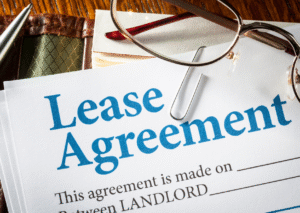
- Signed lease agreement showing rent amount, lease term, and key terms
- Rent roll for multi-unit properties showing occupancy and rents by unit
- Proof of rent receipt when required, such as deposits that align with the lease
- Bank statements showing funds to close and required reserves
- A schedule of real estate owned if you own multiple properties
- Entity documents if closing in an entity, including proof of authority to borrow
- Entity bank statements when the entity is the source of funds or holds reserves
When you gather these items, focus on consistency. Names, addresses, entity details, and numbers should match across the file. Consistency is one of the simplest ways to reduce conditions.
How Do You Document Rent and Cash Flow for a DSCR Loan?
Rent support is the heart of the DSCR file. If rent is unclear, cash flow is unclear. If cash flow is unclear, the approval slows down.
Start with the lease. A lease should be fully executed, dated, and easy to read. It should show rent amount, lease term, and who pays utilities. It should also match the property’s real-world use. If the lease says one amount but deposits show another, underwriting will ask questions.
If the property is multi-unit, provide a rent roll that clearly shows each unit, the rent amount, and occupancy status. A rent roll gives underwriting a clean view of total monthly income and helps prevent confusion when multiple tenants pay at different times.
If proof of receipt is needed, use bank statements that show rent deposits. Deposits should align with the lease amount and timing whenever possible. If deposits do not align, include a short written explanation. A clear explanation is often enough to prevent delays, especially when the mismatch has a reasonable cause like prorations, partial months, or tenant timing.
If the property is newly rented, you can still build a strong file. Provide the signed lease, initial deposits if available, and a short note about the lease start date and expected payment pattern. If the property is between tenants, provide a brief vacancy statement and a re-leasing plan. The goal is to help underwriting understand what is happening without guessing.
Rental income records can also be supported by structured reporting when applicable. The key is not perfect paperwork. The key is a clean and believable rent story.
What Bank Statements and Funds Documents Do You Need for Closing?
Many DSCR files get slowed down by bank documentation. The most common issues are missing pages, unclear large deposits, and funds moving between accounts without a clear trail.
Provide complete bank statements. That includes all pages, even pages that appear blank. Avoid screenshots. Use the full statement file so underwriting can confirm account holder, account number, dates, and balances.
If you have large deposits, be ready to document them. If money moved between accounts, show the transfer trail. Underwriting wants to confirm the funds are available and sourced. A clean trail reduces follow-up questions and protects your closing date.
Reserves matter too. DSCR loan files often require reserves. Reserves are meant to show stability, especially if the property has a repair need or a vacancy risk. If you use multiple accounts, prepare a simple funds summary that shows which account covers closing funds and which account covers reserves. A one-page summary saves time because it helps the underwriter see totals quickly.
If you are closing in an entity, provide the entity bank statements when the entity is funding the deal. Also provide entity documents that show the entity is active and authorized to borrow. Clean entity documentation prevents last-minute legal or authority conditions.
What Property Documents Help Prevent Underwriting Delays?
Even when DSCR focuses on income, the property still must be insurable and consistent with the transaction. Property documentation delays often come from insurance timing, payoff timing, and inconsistent property details.
Start insurance early. Provide an insurance quote or policy with the correct property address, coverage type, and effective date. Make sure coverage fits the property use. If the property is rented, the coverage should reflect that use.
For refinances, provide a current payoff statement. Payoff statements expire quickly, so submit the most current one. For a cash out refinance, make sure your documents clearly support the refinance purpose and the ownership details.
Provide property tax information when requested. Tax details are part of the closing process and often appear as verification items. If taxes are unusually high or low, a short explanation can help underwriting understand what is normal for that property.
If the property has unique features, document them clearly. If there was a recent renovation, note it. If the property was recently vacant and is now leased, include the lease-up timeline. Clear property facts keep underwriting focused on approval rather than investigation.
How Do Requirements Differ for Purchases Versus Refinances?
Purchases and refinances share many documents, but they have different friction points.
A purchase file is driven by the contract and the timeline. Underwriting wants to see the executed contract, proof of earnest money, and funds to close. Rental documentation may also be required, depending on whether the property is leased and how income is being supported.
A refinance file is driven by ownership clarity and payoff accuracy. Underwriting wants to see the current mortgage statement, a valid payoff statement, and clean property documentation. If it is a cash out refinance, the file may require stronger verification of details and final figures.
If you are using DSCR loans as part of BRRRR financing, documentation discipline becomes even more important. The refinance stage often moves faster when the lease, rent roll, and deposit story are already organized. A refinance file is stronger when it reads like a complete package rather than a collection of random files.
What Are Common Underwriting Conditions and How Can You Avoid Them?
Underwriting conditions are usually predictable. Most conditions come from mismatches, missing pages, and unanswered questions. If you want faster closings, plan for these issues before they happen.
- Lease is missing signatures, dates, or clear terms
- Rent deposits do not align with the lease amount or timing
- Rent roll is missing unit details or occupancy status
- Bank statements are incomplete or missing pages
- Large deposits appear without documentation
- Insurance is not ready early or does not match property use
- Payoff statement is outdated for a refinance
- Entity documents do not show borrowing authority
- Names or property addresses are inconsistent across documents
You can avoid most of these conditions by building a repeatable file system. Create a single folder for each property. Use consistent filenames. Put the most important documents at the top. Add a one-page deal summary that includes property address, lease rent, reserve plan, and closing funds plan.
Also review your disclosures carefully. Understanding disclosure timing helps you stay ahead of surprises and confirm final numbers before closing.
How Do DSCR Documents Connect to Broader Investor Financing Strategies?
Many investors use DSCR loans as one piece of a bigger plan. Documentation habits that help DSCR also help your other strategies.
If you are rehabbing properties, strong documentation supports fix and flip loans because your scope, budget, and timeline become easier to verify. If you are stabilizing rentals, clean lease and deposit records support buy and hold mortgages by showing income consistency. If you are recycling capital, a clear file supports cash out refinance planning by reducing payoff and ownership confusion. If you are building from the ground up, organized plans, budget documentation, and milestones matter for new construction loans.
Sometimes investors need more than one loan solution. That is where real estate financing solutions can help when a deal is unique. It is also where business credit facilities, credit and debt advisory, and growth and development services can support long-term readiness as your portfolio expands. Strong documentation makes every option easier to access because your financial story is organized.
If you want a smoother DSCR loan process and a documentation checklist that matches your investing strategy, visit No Limit Investments. Explore investor-focused options including DSCR loans, fix & flip loans, buy & hold mortgages, BRRRR financing, cash out refinance, and new construction loans, along with support services including real estate financing solutions, business credit facilities, credit & debt advisory, and growth & development services.
Final Thoughts
A DSCR loan can close faster when your documentation is complete, consistent, and easy to verify. Focus on three stories: the rent story, the funds story, and the property story. Make sure leases are executed, deposits align, bank statements are complete, insurance is started early, and payoff statements are current when refinancing.
When you package the documents needed for DSCR loan approval the right way, you reduce conditions, protect your timeline, and move through underwriting with less stress. Use this guide to build a repeatable system you can use on every property you finance.
Works Cited
“Closing Disclosure Guide: Understanding Final Loan Terms and Costs.” Public Consumer Lending Disclosure Guide, 2023, pp. 1–2.
“Funds Documentation Overview: Sourcing and Verifying Funds to Close.” Public Lending Documentation Reference, 2024, pp. 1–2.
“Loan Estimate Guide: Reviewing Terms, Costs, and Timelines.” Public Consumer Lending Disclosure Guide, 2024, pp. 1–2.
“Schedule E Instructions: Reporting Rental Real Estate Income and Loss.” Public Tax Form Instructions, 2025, pp. 1–3.
Frequently Asked Questions:
What Are The Documents Needed For DSCR Loan Approval?
The documents needed for DSCR loan approval usually include a signed lease, rent roll if the property is multi-unit, proof of rent deposits when required, bank statements for funds to close and reserves, insurance, taxes, and the purchase contract or payoff statement depending on the transaction.
How Can I Speed Up My DSCR Loan Closing With Better Documentation?
You can speed up closing by submitting complete documents with all pages, labeling files clearly, keeping names and addresses consistent, and adding a one-page deal summary that explains rent, funds to close, reserves, and the transaction type.
Do I Need Proof Of Rent Deposits For A DSCR Loan?
Some DSCR files require proof of rent deposits, especially when the lender needs confirmation that the lease matches actual collection. If deposits do not align with the lease, a short written explanation can prevent underwriting delays.
What Documents Are Different For A DSCR Loan Purchase Versus A Refinance?
A purchase typically needs an executed contract, proof of earnest money, and funds to close. A refinance typically needs a current mortgage statement, a valid payoff statement, and clear ownership and property documentation. Both may require lease and rent support if the property is rented.
What Are The Most Common Reasons A DSCR Loan File Gets Delayed?
Common delays include unsigned leases, missing bank statement pages, large deposits without documentation, insurance started too late, outdated payoff statements, and inconsistent property addresses across documents.