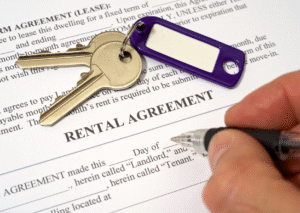
How Do Apartment Building Loans Support Real Estate Investors?
Apartment building loans give investors the financial foundation they need to acquire, renovate, or stabilize multi-unit properties. These loans are designed to support long-term income generation, predictable cash flow, and the scaling of a real estate portfolio. When used effectively, they open doors to passive income, strong appreciation potential, and greater financial control.
Investors choose apartment buildings because they offer multiple revenue streams under one roof, often resulting in more stability than single-family rentals. However, securing financing for apartments requires understanding loan structures, underwriting requirements, and the strategies lenders use to assess risk.
Today’s lending environment offers several pathways. Some investors prefer traditional lending models, while others rely on investment-focused financing solutions such as buy & hold mortgages, DSCR loans, and BRRRR financing, all of which are available through trusted real estate financing providers like No Limit Investments. Choosing the right structure can significantly impact long-term success.
What Types of Apartment Building Loans Are Most Common for Investors?
Apartment building loans are not one-size-fits-all. Each loan type serves a specific purpose depending on the project’s condition, the investor’s goals, and the expected timeline.
Common options include:
- Conventional apartment loans, often used for stabilized buildings with strong occupancy.
- Commercial real estate loans, tailored for larger multifamily properties with performance-based underwriting.
- Bridge loans, designed for short-term repositioning or improvements.
- DSCR loans, which rely mainly on rental income rather than personal income.
- Portfolio loans, used by investors with multiple properties in long-term strategies.
- Government-backed multifamily programs, which offer lower rates but come with stricter qualification standards.
Many investors turn to specialized lenders who understand investment-driven financing. Providers like No Limit Investments offer strategies such as fix & flip loans, new construction loans, and real estate financing solutions to support apartment building projects at every phase, from acquisition to stabilization.
What Lending Requirements Should You Expect When Applying for These Loans?
Apartment loan underwriting is more detailed than single-family financing. Lenders evaluate both the property and the investor, focusing on income stability, management potential, and long-term financial feasibility.
Typical requirements include:
- Strong credit profile, demonstrating financial responsibility.
- Down payment, often ranging from 20 to 30 percent.
- Debt service coverage ratio (DSCR), usually 1.20 or higher.
- Property income statements, including rent rolls and historical operating data.
- Reserves, ensuring the ability to handle unexpected expenses.
- Appraisal and market valuation, confirming the property’s worth and projected revenue.
Investors who are still developing their financial foundation often seek guidance through business credit facilities, credit & debt advisory, or growth & development services, all of which help them strengthen their eligibility and prepare for long-term financing opportunities.
How Do Interest Rates and Loan Terms Affect Your Investment Strategy?
Interest rates shape the profitability of an apartment building loan. Even small rate differences influence cash flow, monthly payments, and long-term returns. Terms typically range from 5 to 30 years, depending on the loan type, lender, and property condition.
Loan terms generally affect:
- Monthly cash flow, impacting the building’s long-term sustainability.
- Total interest paid, which influences return on investment.
- Refinancing opportunities, especially during economic shifts.
- Time horizon, determining when long-term stabilization can be achieved.
Many investors use cash out refinance programs to improve rates, expand their portfolio, or create liquidity for improvements. This approach is common after increasing property value through renovations or improved management.
What Role Does Property Condition Play in Loan Approval?
Lenders carefully evaluate the current condition of the apartment building, as it directly influences risk. A well-maintained, fully occupied property generally qualifies for better terms and faster approval. On the other hand, distressed buildings often require specialized financing.
Property condition affects:
- Loan type eligibility
- Interest rate range
- Down payment requirements
- Required documentation
- Potential for renovation loans
Investors planning to reposition or upgrade buildings often use fix & flip loans, new construction loans, or BRRRR financing to improve value before transitioning to long-term apartment building financing. This phased approach helps maximize cash flow and equity.
How Can Rental Income and DSCR Shape Loan Approval?
For apartment loans, lenders prioritize the building’s income potential over personal income. The debt service coverage ratio (DSCR) measures whether rental income can cover the property’s mortgage payment.
A DSCR above 1.20 is typically preferred, meaning the building earns at least 20 percent more than the loan requires. Strong DSCR performance improves loan eligibility, helps secure better terms, and shows long-term stability.
Many investors choose DSCR loans because they streamline the approval process and allow borrowers to qualify primarily based on property performance rather than employment or personal financial documentation.
How Do Investors Use Strategic Financing to Scale Apartment Portfolios?
Apartment buildings provide a scalable pathway for long-term wealth. Strategic financing allows investors to acquire more units, improve properties, and build strong recurring income.
Effective strategies include:
- Using buy & hold mortgages to build long-term stability.
- Leveraging BRRRR financing for value-add projects.
- Utilizing cash out refinance to recycle equity.
- Combining business credit facilities with real estate financing to support expansions.
- Working with a lender offering growth & development services to plan future investment phases.
By selecting the right combination of financing tools, investors can steadily expand their portfolio while minimizing risk and maximizing capital efficiency.
How Can No Limit Investments Support You in Securing Apartment Building Loans?
Apartment building loans require tailored financial strategies, especially for investors seeking long-term success. At this stage, partnering with a lender that understands real estate investing is essential.
No Limit Investments provides a full range of services that help investors secure the right financing for apartment buildings, including:
- DSCR loans for income-based qualification
- Buy & hold mortgages for stability
- Fix & flip loans for value-add projects
- BRRRR financing for renovation-driven growth
- Cash out refinance options to unlock equity
- New construction loans for ground-up projects
- Real estate financing solutions tailored to investment goals
- Business credit facilities to strengthen financial capability
- Credit & debt advisory to improve lending readiness
- Growth & development services to support scaling
Investors who partner with No Limit Investments gain access to expert guidance, flexible loan structures, and a growth-focused lending approach designed specifically for real estate entrepreneurs.
Why Should You Take the Next Step With No Limit Investments?
If you are ready to explore apartment building loans and want a lender that understands your goals, visit No Limit Investments to get started. Their team provides personalized support, strategic financing options, and a commitment to helping investors build long-term wealth through real estate. Call today at 331-210-0501.
Final Thoughts
Apartment building loans offer powerful opportunities for investors seeking strong rental income, long-term appreciation, and portfolio expansion. Understanding loan types, underwriting requirements, and financing strategies gives investors a clear advantage as they pursue multifamily investments.
With the right guidance and strategic lending support from a trusted partner, investors can secure better terms, improve property performance, and accelerate their real estate growth. Whether you are acquiring your first apartment building or scaling an existing portfolio, the right financing can open doors to new opportunities and long-term success.
Works Cited
Federal Housing Finance Agency. “Multifamily Facts.” FHFA, www.fhfa.gov.
U.S. Department of Housing and Urban Development. “Multifamily Housing Programs.” HUD, www.hud.gov.
National Multifamily Housing Council. “Apartment Housing Overview.” NMHC, www.nmhc.org.
Federal Reserve Board. “Commercial Real Estate Lending Standards.” FederalReserve.gov.
Frequently Asked Questions:
What credit score is typically required for apartment building loans?
Most lenders prefer a credit score of 680 or higher for apartment building loans, though some investment-focused lenders may approve borrowers with lower scores if the property shows strong income potential.
How much down payment do I need for an apartment building loan?
Down payments often range from 20 to 30 percent, depending on the loan type, property condition, and income performance. Higher-risk projects may require more.
Can I qualify for an apartment building loan using rental income only?
Yes. Many investors use DSCR loans, which allow qualification based primarily on the property’s rental income instead of personal income or employment documentation.
Is a cash out refinance a good strategy for apartment buildings?
A cash out refinance can help investors unlock equity, improve liquidity, or reinvest into renovations or new acquisitions, making it a common strategy for scaling portfolios.
What type of loan is best for renovating an older apartment building?
For value-add or distressed properties, investors commonly use fix & flip loans, BRRRR financing, or bridge financing before transitioning into long-term apartment building loans.